Where living, working and innovation come together.
Centuries ago, a landscape emerges along the Zaan river that shapes the Netherlands forever. Here, living, working and innovation naturally come together in one place.
Windmills, houses, factories and workshops together tell the story of craft, trade and daily life. Everything preserved here helps to show how the Netherlands develops into a modern society.
Preserved heritage.
Zaanse Schans begins as a carefully crafted rescue plan for the threatened heritage of the Zaan region. It has since developed into one of Europe’s most important heritage attractions.
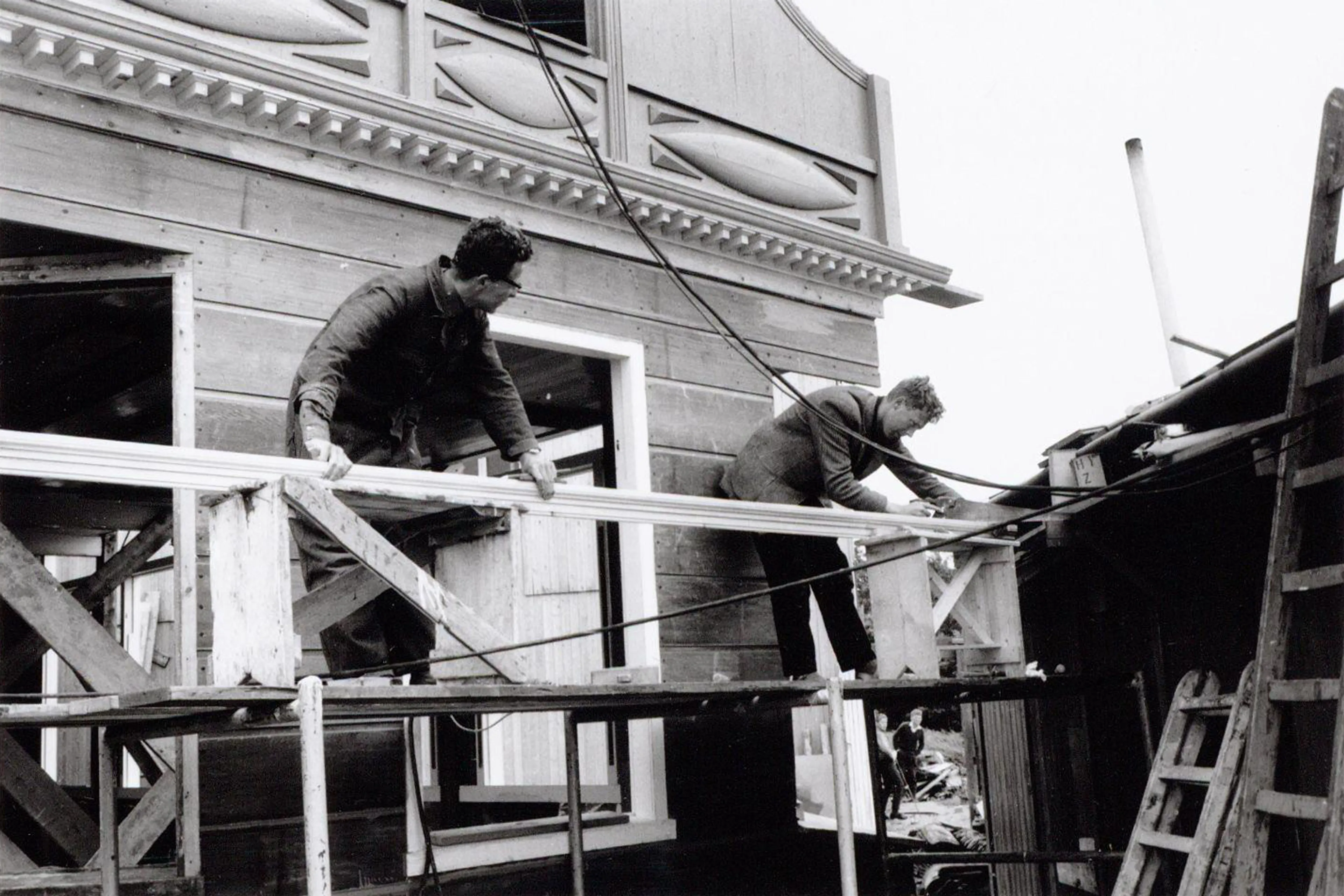
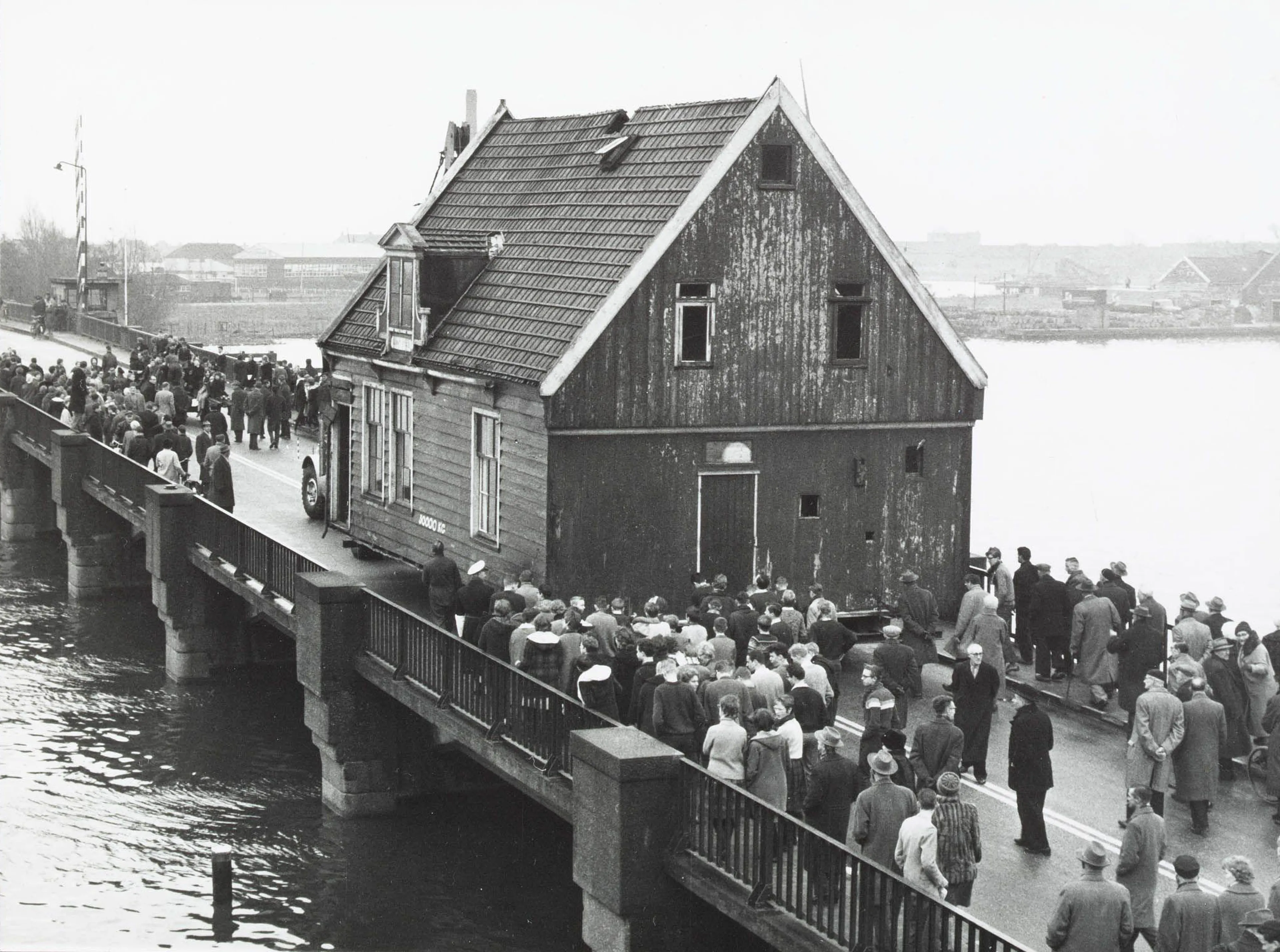
Many wooden buildings characteristic of the local region fall into disrepair or are at risk of disappearing due to modernisation and new construction in the early 20th century. Historic houses, warehouses and, later, windmills are relocated to a single site to preserve them and breathe new life into their stories.
This is not about individual monuments, but about a complete Zaan living and working environment that brings 19th century life back for us to experience.
Continued use.
The buildings at Zaanse Schans are not props: each one has its own significance and its own functions within the wider whole. Houses show us how people lived. Warehouses tell us the stories of trade and storage. Workshops reveal how craft and knowledge is passed down from generation to generation.
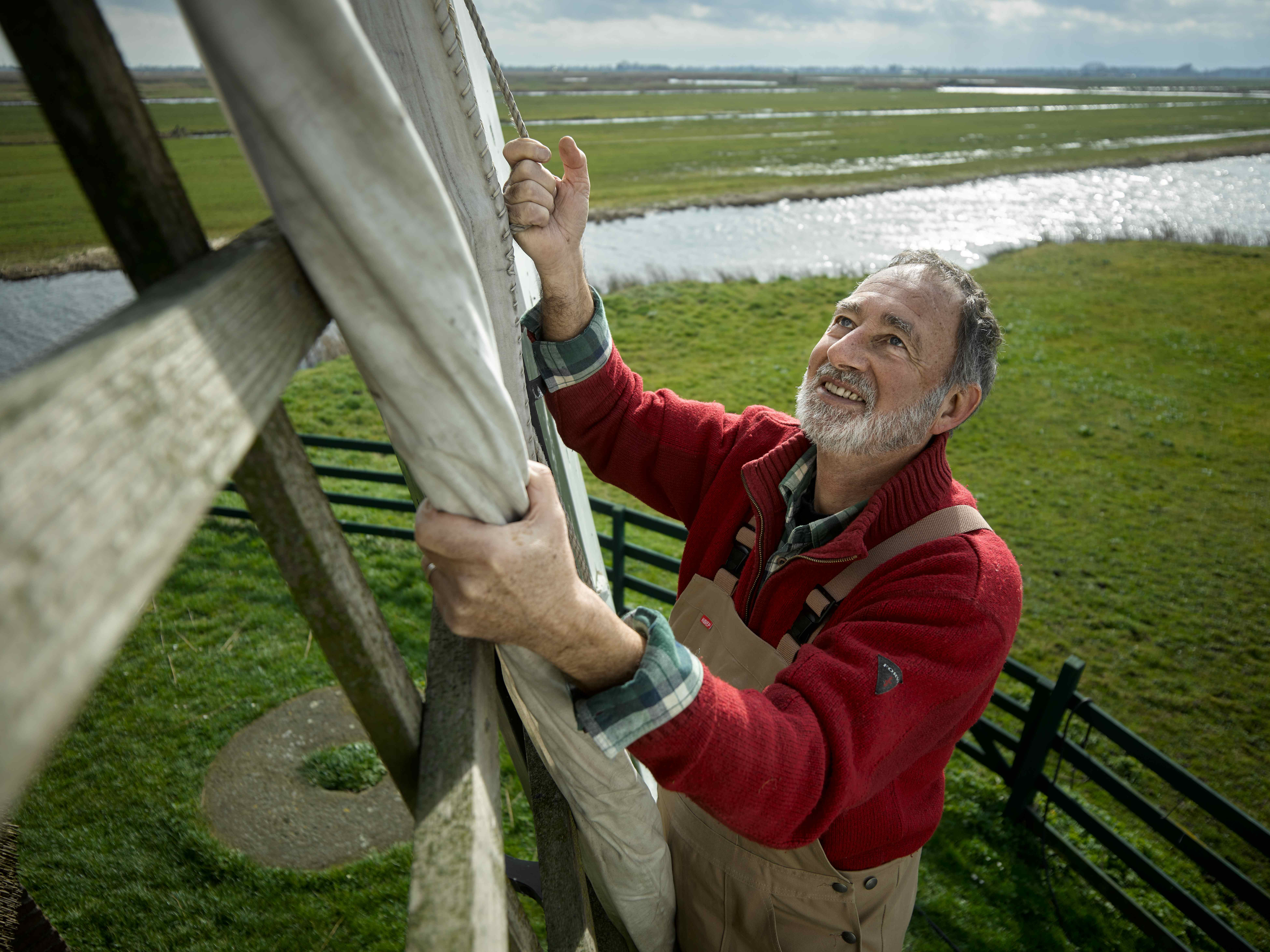
Windmills also continue their work, whether sawing, grinding, hammering or manufacturing. Together, they form the story of a working landscape where industry and daily life go hand in hand.
Europe’s first industrial area.
One of Europe’s first industrial areas emerged along the Zaan river. Wind power set hundreds of mills in motion at once, allowing wood to be sawn, oil to be pressed, barrels to be crafted, and sails to be woven. This clever use of natural energy develops into an economic driving force of international significance.
Here at Zaanse Schans, it becomes clear how technology, trade and innovation can come together to transform a whole region.
Living landscape.
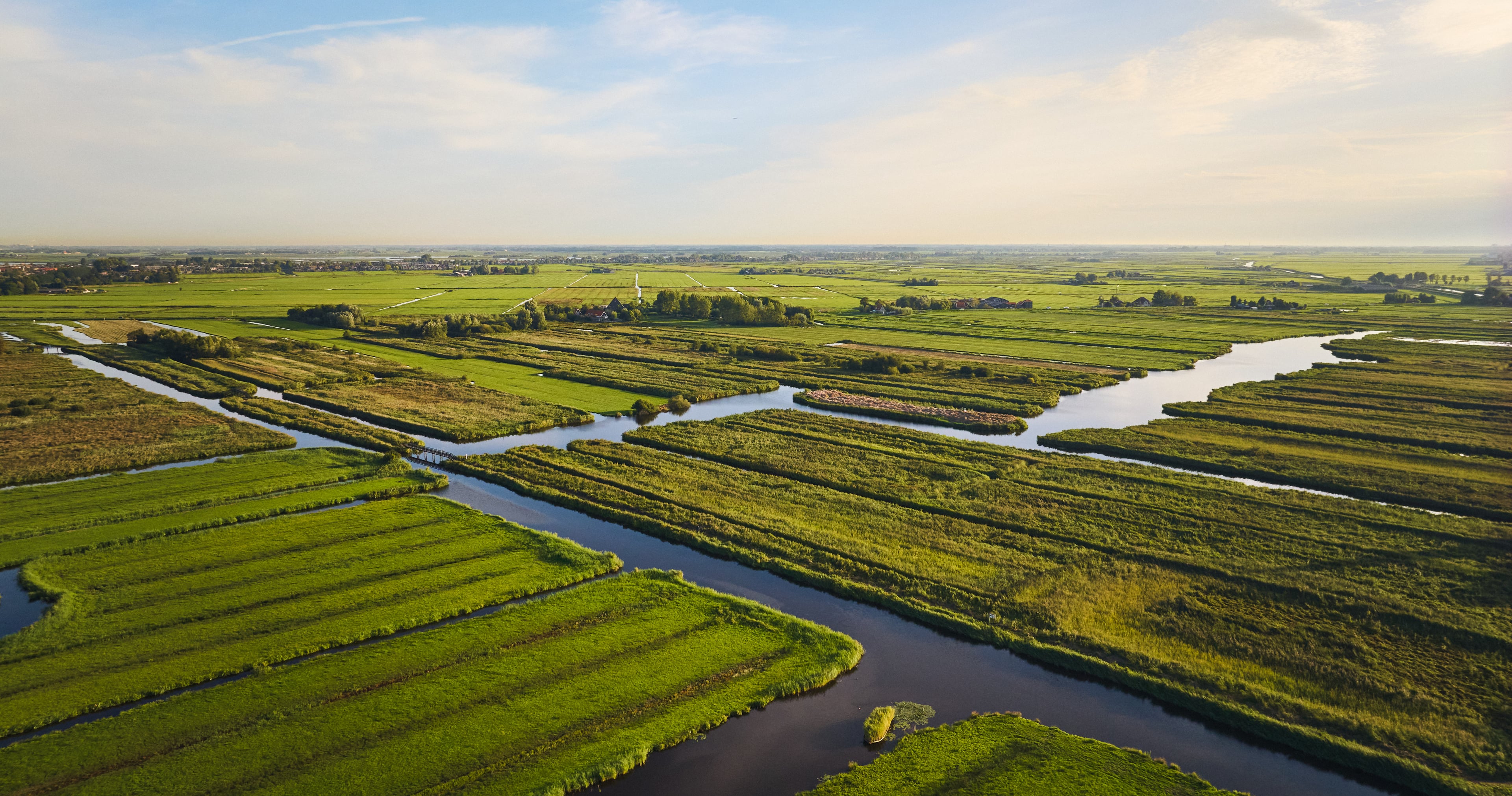
The landscape itself tells a story: Zaanse Schans sits on the Kalverpolder, an area of land reclaimed from underwater and protected by dikes. The landscape is now part of Natura 2000, a European network of nature reserves that illustrate how water management, agriculture and the living environment can be and have been intertwined for centuries.
Dikes, ditches and reclaimed land not only shape the landscape, they are also essential for the people living and working here. Water, wind and craft shape this unique landscape into what it is today: a place where heritage, experience and history come together.